June 23, 2026
Explore the benefits and considerations of purchasing landscape mulch in bulk for your landscape. This article provides essential tips to help you make informed decisions and ensure a healthy, aesthetically pleasing garden. Mulch serves multiple purposes in a garden, including moisture retention, temperature regulation, and weed suppression. When applied correctly, mulch can significantly improve soil health and visual appeal. By purchasing mulch in bulk, you can save money and reduce packaging waste, making it a sustainable choice.
Understanding Different Types of Mulch
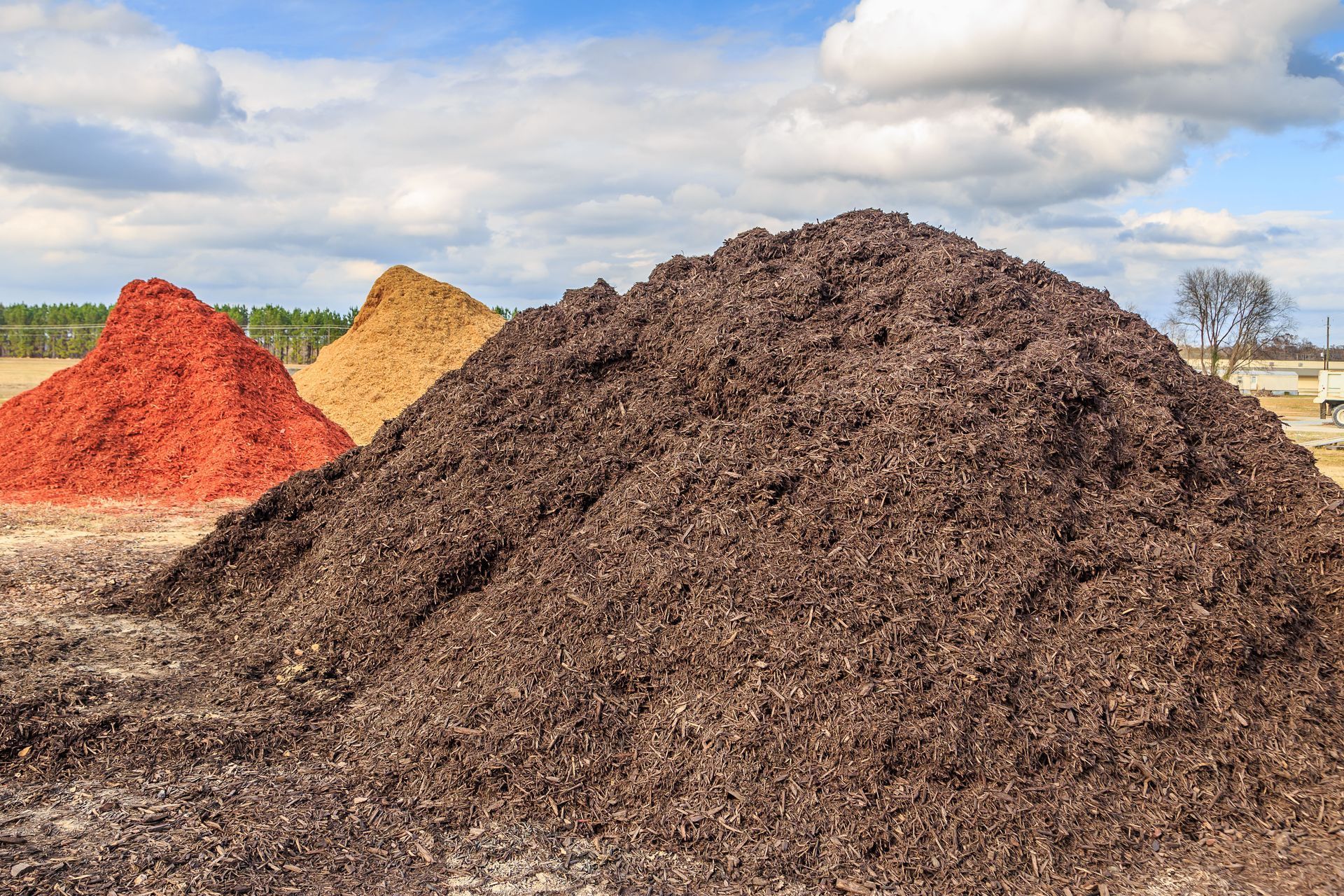
When it comes to mulching, understanding the various options available can guide you in choosing the right type for your landscape. Organic mulches, such as wood chips and bark, decompose over time, adding nutrients to the soil. On the other hand, inorganic mulches like stone and rubber offer longer-lasting coverage but do not enhance soil fertility. Each type of landscape mulch brings a unique set of advantages and disadvantages, making it crucial to align your choice with your garden's specific needs. For instance, while organic mulches help in boosting soil health, inorganic mulches are excellent for low-maintenance garden areas.
Organic mulch can be further classified into several sub-types, offering different benefits. Wood chips and bark mulch are popular options due to their ability to regulate soil temperature and suppress weeds. Compost and manure mulch are excellent for enriching the soil, although they may require more frequent replenishment due to faster decomposition. Understanding these characteristics can help you decide whether you need a landscape mulch that requires frequent refreshing or one that provides long-term coverage. Additionally, organic mulches are generally more environmentally friendly, aligning with sustainable gardening practices.
Inorganic options, such as stone and gravel, are ideal for ornamental gardens where minimal maintenance is desired. These types of mulch do not decompose, ensuring that you won't need to replenish them often, although they lack the added benefit of enhancing soil nutrient levels. Rubber and synthetic options offer a unique advantage by providing cushioning and being resistant to the elements, but they require careful disposal due to non-biodegradability. Whether you opt for organic or inorganic mulch, your choice should be guided by the specific needs of your garden. Moreover, according to the U.S. Environmental Protection Agency, mulching can reduce yard waste by up to 60% when applied across residential landscapes.
Calculating the Right Amount of Mulch
To apply landscape mulch effectively, you first need to calculate the right amount required for your landscape. Start by measuring the area you wish to cover with mulch to ensure you purchase an adequate quantity without overspending. You'll generally need a tape measure to determine the length and width of each garden bed, adding these measurements together for accuracy. By accounting for both area and depth, you can calculate the cubic yards of mulch needed, a standard measure for bulk purchases.
Another critical consideration is the rate of mulch decomposition, affecting how often you'll need to replenish it. Organic mulches tend to decompose faster, necessitating annual top-ups to maintain optimal performance. Inorganic mulches last longer, but also require periodic checks to ensure they stay evenly distributed and functional. Bulk landscape mulch sellers often provide volume details that can help you make a more accurate purchase. Being aware of these factors aids in planning for both immediate needs and long-term garden upkeep.
Examining the Quality and Sourcing of Mulch
The quality of mulch greatly affects its efficiency and lifespan, making this a crucial aspect to consider. High-quality mulch is usually free from contaminants such as weed seeds, pests, and diseases that might harm your plants. It’s recommended to ask the supplier for detailed information on the mulch’s origin and composition. A good indicator of quality is if the mulch is labeled as "premium grade," which signifies it has undergone more rigorous processing to remove impurities. High-quality mulch not only performs better but also supports a healthier garden ecosystem.
Checking for contaminants and additives in your mulch is essential to ensure that it is safe for use in your garden. Harmful chemicals or leftover construction debris can sometimes be found in lower-quality mulches, leading to potential damage to your plants. Opting for landscape mulch that is certified organic or free from industrial byproducts provides peace of mind, ensuring you’re investing in a product that is safe for the environment. Understanding these quality aspects can help you avoid mulches that might introduce new problems to your landscape. Being vigilant in your selection process guarantees that you receive mulch that contributes to your garden's long-term health.
Sourcing local and sustainable mulch options can greatly benefit both your garden and the environment. Local suppliers often provide mulch that is fresher and tailored to local climatic conditions, enhancing its effectiveness. Moreover, select suppliers focus on sustainable practices, such as using recycled materials, which align with eco-friendly gardening principles. Ensuring sustainable sourcing reduces your garden’s carbon footprint and supports community-based businesses. Inquire about certifications and labeling that communicate the environmental impact and ethical production of the mulch.
Comparing the Costs and Budgeting of Mulch
Cost is an important factor when purchasing mulch, especially in bulk. It's essential to analyze both per cubic yard rates and bulk pricing structures. Generally, buying in bulk can provide significant cost savings, but understanding the nuances of each supplier's pricing is crucial. Some suppliers offer volume discounts that make it more economical to purchase larger quantities. By evaluating these price points, you can better align your budget with your garden’s needs, ensuring you receive the best value for your investment.
In addition to the cost of landscape mulch itself, consider potential fees involved in delivery and transportation. Many suppliers charge for transporting large quantities, an expense that may add significantly to your overall budget. Some may offer free delivery within a certain radius, making it worthwhile to choose a local provider if logistics costs are a concern. Carefully factor in these additional costs when planning your purchase. A clear understanding of these fees can prevent unexpected expenses and help with precise budget planning.
Coordinating the Delivery and Storage of Mulch
Coordinating the delivery of bulk mulch requires organization and planning. First, ensure you schedule a delivery time that suits your availability, especially if the supplier has specific delivery windows. It's beneficial to be present to oversee the unloading process and address any immediate concerns. Knowing the delivery logistics helps in coordinating with any garden tools or labor personnel you might need on hand. This planning minimizes disruptions and ensures a smooth transition of the mulch from the supplier to your garden space.
Once delivered, prepare an appropriate storage area for your bulk landscape mulch to keep it well-preserved until application. Choose a location that is dry and ideally sheltered from severe weather to prevent degradation. A tarpaulin or some form of covering will protect the mulch from rain and minimize the risk of it blowing away in the wind. Proper storage arrangements ensure that your mulch remains in top condition, ready for optimal application. This preparation supports both the longevity and effectiveness of your mulch application in the garden.
Understanding the loading and offloading processes also plays a vital role in efficient mulch handling. Bulk deliveries typically mean larger trucks and heavier loads, requiring adequate space for maneuvering and unloading. Plan for easy access routes for these vehicles to prevent delays and potential damage to your property.
Using Practical Application Tips for Mulch
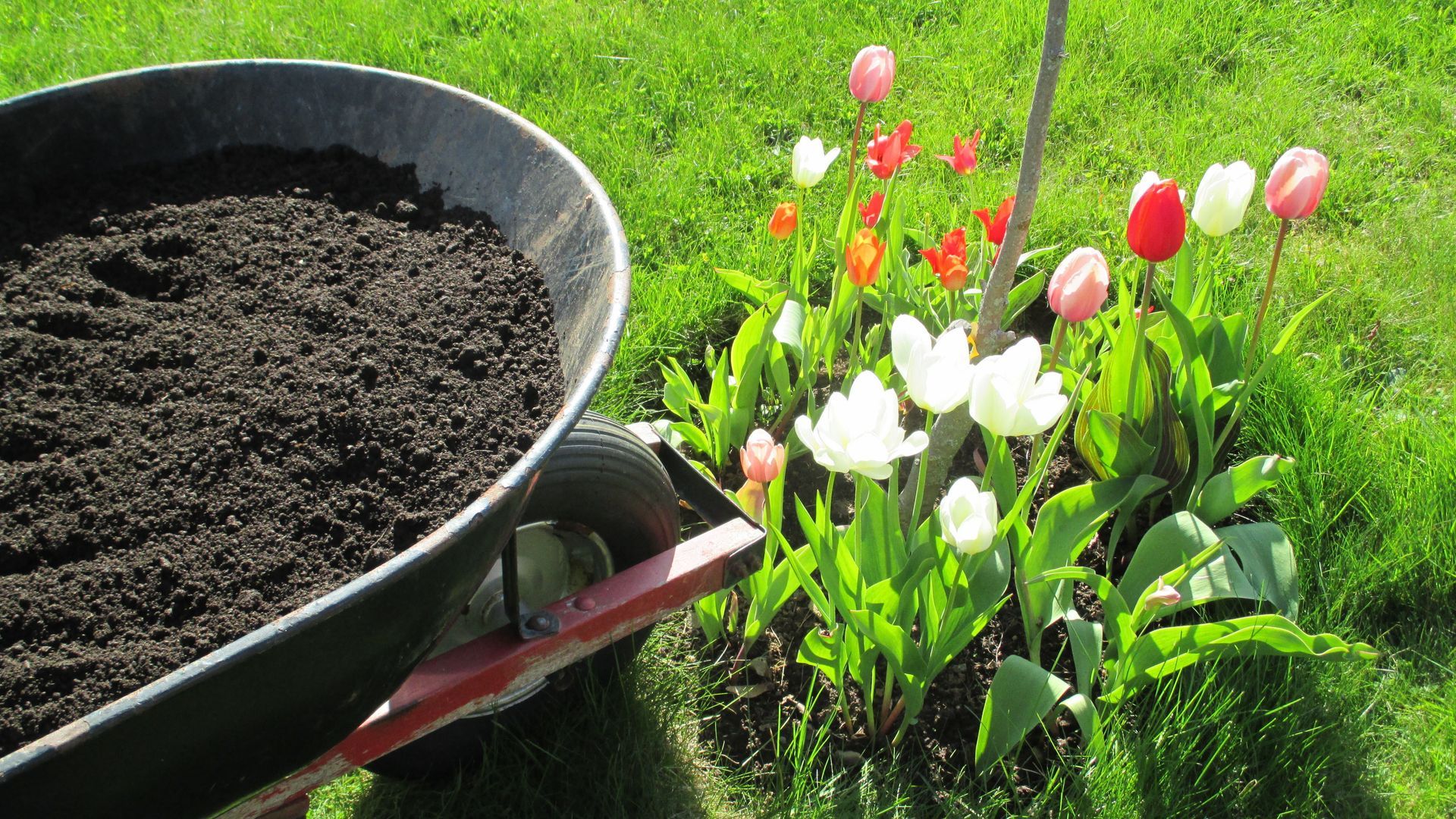
Applying landscape mulch requires specific tools and techniques to achieve desired results. Utilize the right tools, such as wheelbarrows, rakes, and shovels, to distribute mulch evenly across your garden beds. This equipment helps in achieving the recommended mulch depth for effective soil protection and moisture conservation. Ensure to cover all exposed soil properly while leaving space around plant stems to prevent rot. A well-planned application approach maximizes the benefits of mulch in your landscape.
By considering these essential tips for buying bulk landscape mulch, you can enhance your garden's health and appearance while ensuring cost-effective and sustainable practices. Planning and informed decision-making will help you achieve the best results for your landscape. Each aspect, from choosing the right type of landscape mulch to meticulous application, contributes to optimized garden benefits. Remember that mulching not only aids in landscape aesthetics but also provides a variety of environmental advantages. With thoughtful execution, your garden will flourish under the protective and nurturing coverage of quality mulch.