August 24, 2026
Creating a safe and welcoming play environment involves more than selecting engaging equipment. The ground beneath swings, slides, climbers, and other features is an essential part of the overall space. Children naturally run, jump, climb, and occasionally fall while playing, making the surface below them an important consideration for anyone responsible for planning or maintaining a recreational area.
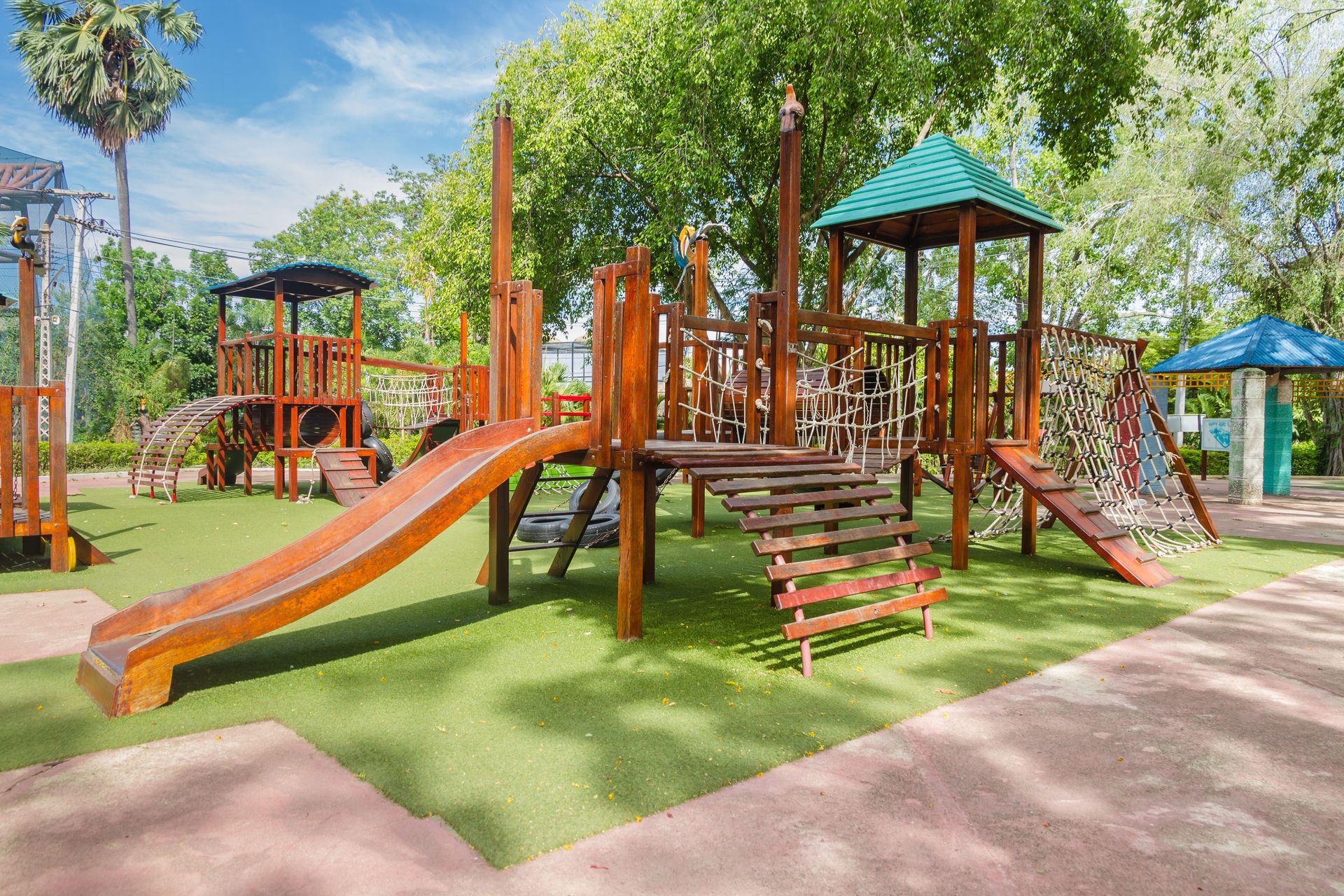
Choosing playground safety surfacing can help create an environment that supports active play while addressing concerns such as impact absorption, accessibility, drainage, maintenance, and appearance. Different surfacing materials offer distinct advantages, and understanding those differences allows property owners, schools, parks, childcare facilities, and community organizations to make more informed decisions. A well-planned surface can complement the playground equipment while contributing to a space that remains functional and inviting over time.
Choosing Surfacing With Safety in Mind
Safety is one of the primary reasons to carefully evaluate the ground covering used around playground equipment. Hard surfaces may provide little cushioning when children fall, while materials designed specifically for recreational areas can offer greater impact attenuation. Because falls are a natural possibility during active play, the characteristics of the surface deserve the same thoughtful attention as the equipment itself.
Quality playground safety surfacing should be selected with the playground layout, equipment, expected activity, and surrounding environment in mind. Areas beneath elevated equipment or around features where children are especially active may have different surfacing needs than quieter portions of the play space. Considering the entire environment helps create a more cohesive safety strategy rather than treating the ground covering as an afterthought.
Choosing Surfacing With Impact Protection in Mind
One of the most important functions of recreational surfacing is helping reduce the severity of impacts associated with falls. Children often move quickly between playground features, climb above ground level, or lose their balance during play. A surface intended for playground environments can provide cushioning that a hard or unsuitable ground covering cannot.
Other playground safety surfacing options can provide impact protection through resilient, more unified surfaces. The appropriate choice depends on the characteristics of the site and the playground itself. Evaluating factors such as equipment height, anticipated traffic, environmental conditions, and maintenance expectations can help determine which solution is suited to a particular recreational setting.
Choosing Surfacing With Accessibility in Mind
A playground should be designed to welcome as many users as possible. Accessibility therefore deserves consideration when evaluating surface materials. The ground covering affects how easily children, caregivers, and other visitors can move throughout the space, particularly individuals who use wheelchairs, mobility devices, or other forms of assistance.
Some surfaces provide a more stable and predictable pathway than loose materials, while certain loose-fill products may require greater attention to maintain appropriate conditions. Changes caused by displacement, weather, or frequent traffic can influence how easily people navigate the playground. Selecting playground safety surfacing with accessibility in mind helps ensure that mobility is considered alongside cushioning and durability.
Choosing Surfacing With Maintenance in Mind
Every playground surface requires some degree of care, but the type and frequency of maintenance can vary considerably between materials. Understanding these requirements before making a selection can prevent unexpected challenges and help facility managers plan for the long-term condition of the play area.
Loose-fill materials may shift as children run, land, drag their feet, and move between pieces of equipment. Environmental factors can also affect distribution. Periodic evaluation may therefore be necessary to identify areas where material has moved or become compacted. More continuous surfaces can have different maintenance concerns, including wear, separation, or localized damage that should be addressed by qualified professionals.
Choosing playground safety surfacing should therefore involve more than comparing initial appearance or installation considerations. The people responsible for the property should understand how the material is expected to perform as it ages and what professional maintenance may be necessary. A surface that aligns with available maintenance resources is more likely to remain functional and attractive throughout its service life.
Choosing Surfacing With Drainage in Mind
Water management is another important component of effective playground design. Standing water can make a play area less inviting, interfere with regular use, and contribute to deterioration or displacement of certain materials. The relationship between surfacing, grading, drainage, and surrounding landscaping should therefore be considered during planning.
Some materials allow water to move through the surface more readily, while others depend heavily on the preparation and drainage system beneath them. Local climate, soil conditions, shade, nearby vegetation, and the shape of the property can all influence how water behaves within a playground.
Properly planned playground safety surfacing works as part of the larger site rather than as an isolated layer. Professionals can evaluate how the surface interacts with underlying materials and surrounding features to support effective drainage. This integrated approach is particularly valuable for playgrounds that experience frequent use and need to return to usable conditions efficiently after wet weather.
Choosing Surfacing With Durability in Mind
Playgrounds are active environments, and their surfaces may experience considerable traffic throughout the year. Children repeatedly travel along similar routes, gather near popular equipment, and land in predictable locations. These patterns can create concentrated wear, making durability an important consideration when comparing materials.
The appropriate surface should be suited to the anticipated level of use. A small recreational area serving a limited group may experience different demands than a busy school, public park, or community playground. Selecting playground safety surfacing based on realistic traffic expectations can help property owners balance performance, maintenance, and long-term value.
Environmental exposure also influences durability. Sunlight, precipitation, temperature changes, vegetation, and drainage conditions can affect how materials age. Professional product selection and installation help ensure that these variables are considered before a surface is placed into service.
Choosing Surfacing With Appearance in Mind
Safety and functionality are essential, but the visual character of a playground matters as well. An attractive recreational environment can complement a school, park, residential community, childcare center, or other property. Surfacing contributes significantly to that appearance because it occupies a large portion of the visible play area.
Different materials can create different visual effects. Natural-looking options may blend comfortably with landscaped surroundings, while more uniform surfaces can contribute to a clean, organized appearance. The best choice depends on the character of the property and the atmosphere the playground is intended to create.
Color, texture, borders, transitions, equipment, and nearby landscaping can all be considered together. When these elements are coordinated, the playground feels intentional rather than assembled from unrelated components. Attractive surfacing can also help visually define the play zone and create smoother transitions to pathways, lawns, seating, or surrounding recreational spaces.
Choosing Surfacing With Long-Term Performance in Mind
A successful playground surface should be evaluated as a long-term component of the property. Initial installation is only one part of its overall performance. Maintenance demands, expected traffic, environmental exposure, drainage, accessibility, and compatibility with playground equipment can all influence how effectively a material serves the site over time.
Professional guidance can be valuable when comparing playground safety surfacing solutions because seemingly similar products may have different applications and maintenance requirements. Evaluating the complete playground allows the surface to be chosen according to the actual needs of the site rather than appearance or cost alone.
Creating a Safer Place to Play
A thoughtfully designed playground gives children room to explore, socialize, and stay active while providing adults with greater confidence in the environment around them. The surface beneath the equipment plays an important role in that goal. Impact protection, accessibility, drainage, durability, maintenance, and visual appeal all deserve consideration when determining which material is appropriate.
There is no single solution that fits every recreational setting. Site conditions, equipment, traffic, climate, and maintenance expectations can all influence the decision. By considering these factors together and relying on knowledgeable professionals for product selection and installation, property owners can create play areas designed for dependable performance and lasting enjoyment.
Creating a Better Playground With Professional Support
At Ever-Green Landscape Construction Supply, we can help you explore surfacing materials and landscape construction products suited to your project. Our team can help you understand available options so you can make informed decisions for your recreational environment. Contact us to discuss your playground project and learn how we can support your plans for a safer, functional, and inviting outdoor space.