November 7, 2026
Creating an attractive, healthy landscape requires thoughtful material selection and ongoing maintenance. Property owners must consider weed management, soil protection, moisture retention, and the overall appearance of their outdoor spaces. Combining landscape fabric with mulch can provide practical benefits in certain planting beds and decorative areas.
While mulch offers advantages independently, pairing it with an appropriate underlying barrier can improve weed suppression and help maintain separation between decorative materials and soil. However, this combination is not suitable for every landscape, particularly where organic matter incorporation and unrestricted root development are priorities.
Improve Weed Control in Landscaping Beds
Weeds compete with desirable plants for essential resources, including sunlight, water, and nutrients. When unwanted vegetation spreads throughout planting beds, it can affect the landscape’s appearance and increase maintenance demands.
Using landscape fabric beneath mulch can help suppress certain weeds by creating a physical barrier between the soil and the surface. Mulch complements this protection by limiting sunlight exposure, making it more difficult for some weed seeds to germinate.
Together, these materials can reduce the emergence of weeds growing from the underlying soil. This combination may be particularly useful in established ornamental beds where maintaining a clean appearance is important.
However, weed barriers do not eliminate unwanted vegetation. Seeds carried by wind or surrounding plants can settle into decomposing mulch and eventually germinate. Material quality, soil conditions, and existing vegetation also influence effectiveness.
Improve Moisture Management in Planting Areas
Maintaining appropriate soil moisture is essential for healthy root development and overall plant performance. Excessive evaporation can leave planting beds dry, especially during warm weather or periods of limited rainfall.
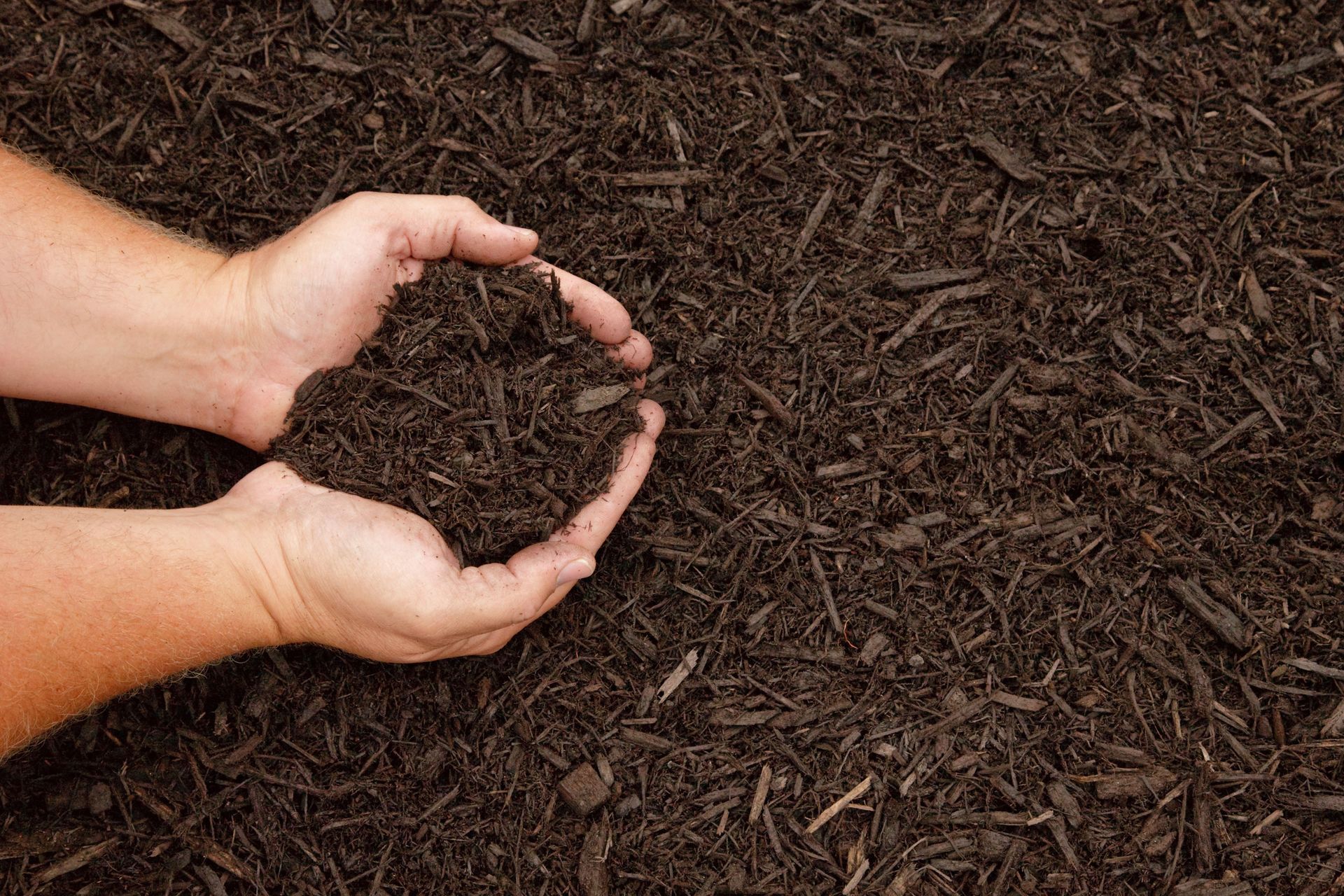
Mulch helps reduce moisture loss by shielding the soil from direct sunlight and limiting exposure to drying conditions. This protection can support more consistent moisture levels around established plants.
Permeable landscape fabric may complement these benefits by allowing water to reach the underlying soil while maintaining separation between the mulch and ground surface.
However, moisture management depends on soil composition, irrigation practices, drainage, and plant requirements. Some barriers can slow water infiltration, particularly when fine particles or organic debris accumulate within the material.
Certain plants also benefit from direct contact between organic mulch and soil. Therefore, the most appropriate combination depends on the landscape’s specific environmental conditions.
Choosing compatible materials helps support moisture management without compromising drainage or plant health.
Improve the Appearance of Decorative Landscapes
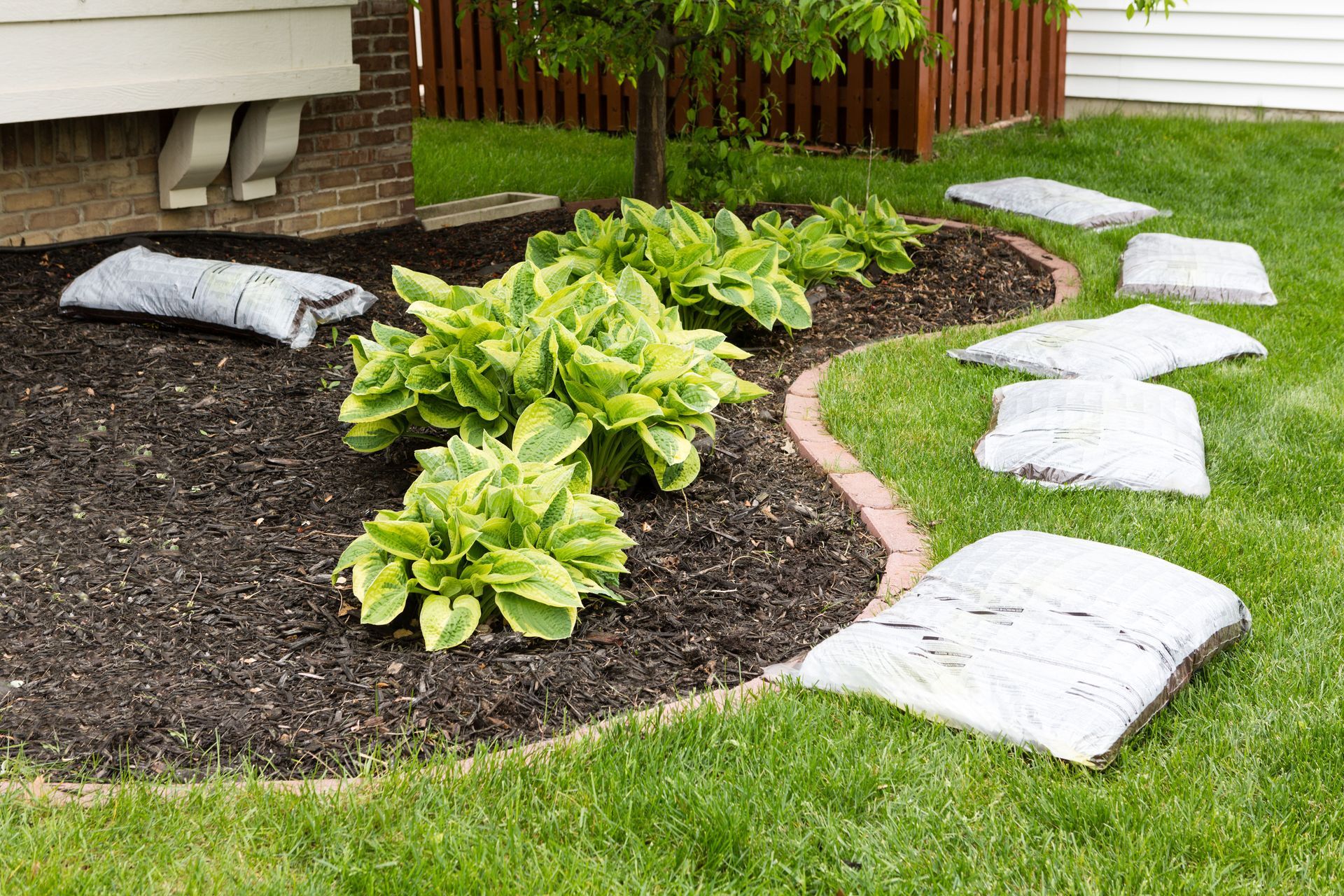
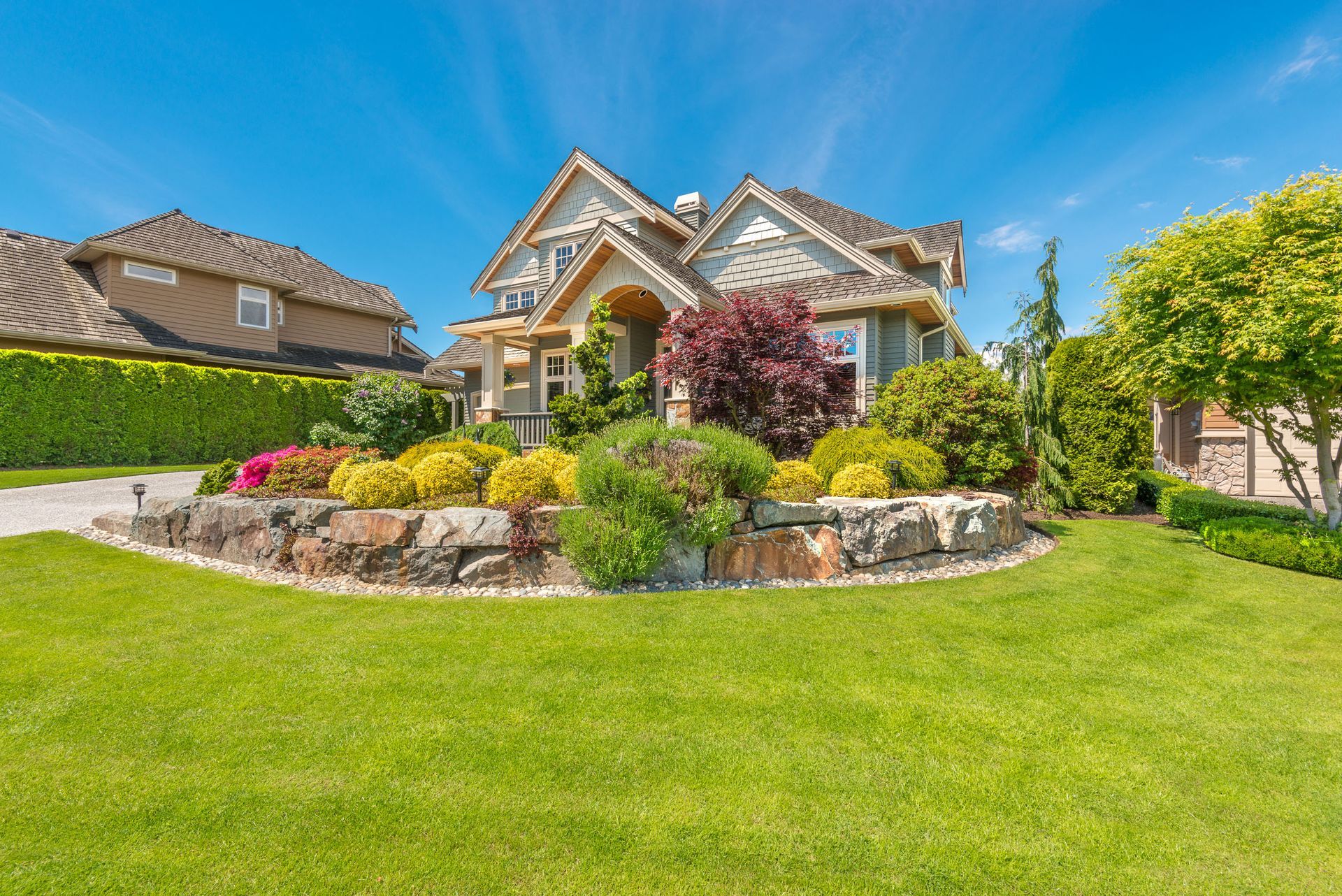
A well-maintained landscape contributes to the visual appeal of residential and commercial properties. Decorative mulch creates consistency, defines planting areas, and complements surrounding architectural features.
However, unwanted vegetation, exposed soil, and material displacement can gradually interfere with this organized appearance.
Pairing mulch with an underlying barrier may help maintain cleaner separation between decorative coverings and the soil beneath them. This can be particularly beneficial in ornamental areas where preserving a consistent surface finish is important.
Different mulch materials also create distinct visual effects. Natural wood products offer an organic appearance, while decorative stone provides contrasting textures and colors.
The underlying barrier should complement the selected surface material and surrounding landscape design. Material compatibility becomes especially important when creating decorative beds intended to maintain their appearance over extended periods.
Professional landscaping suppliers can help property owners evaluate products based on appearance, durability, and intended application. Thoughtful material selection supports attractive outdoor environments while addressing practical maintenance considerations.
Improve Soil Separation in Decorative Beds
Decorative ground coverings can gradually become mixed with the soil beneath them. Rainfall, foot traffic, and natural soil movement may cause surface materials to settle or become contaminated with underlying particles.
This issue is especially noticeable in decorative stone beds, where soil accumulation can affect appearance and encourage unwanted vegetation.
Landscape fabric can provide a separation layer in suitable applications, helping reduce the movement of soil particles into decorative coverings.
This separation may preserve a more consistent surface and reduce maintenance associated with unwanted material mixing. It can also help decorative stone retain its intended appearance.
However, the benefits depend on the type of covering used. Inorganic materials often benefit more directly from separation because they do not naturally decompose into the soil.
Organic mulch behaves differently. As wood-based materials break down, they contribute organic matter that can support soil structure and biological activity.
Consequently, permanent barriers may not be ideal for planting beds designed to benefit from natural decomposition. Understanding these differences allows property owners to select materials that complement their landscaping objectives.
Improve Maintenance Efficiency Across Landscaped Properties
Routine landscape maintenance involves managing weeds, monitoring plant health, refreshing decorative coverings, and addressing drainage concerns.
Properties with extensive planting beds may require considerable attention to preserve their appearance throughout changing seasons.
Combining appropriate barriers with mulch can reduce certain maintenance demands by limiting weed emergence from underlying soil and helping decorative materials remain separated.
This approach may be particularly useful in established ornamental areas where frequent soil cultivation is unnecessary.
Reduced weed growth can allow maintenance teams to devote more attention to pruning, irrigation monitoring, and general plant care. Consistent ground coverage may also help preserve the intended appearance of landscaped areas between maintenance visits.
However, maintenance requirements do not disappear. Organic mulch gradually decomposes, surface weeds can still develop, and barrier materials may deteriorate over time.
Long-term performance depends on product quality, environmental conditions, and maintenance expectations.
For commercial properties, these considerations are particularly important because consistent appearance and operational efficiency often influence landscaping decisions.
Improve Protection Against Surface Soil Erosion
Exposed soil can be vulnerable to erosion caused by rainfall, runoff, and wind. When soil particles move away from planting areas, landscapes may develop uneven surfaces, exposed roots, and sediment accumulation.
Mulch helps protect soil by reducing the direct impact of rainfall and limiting surface disturbance.
In suitable applications, an underlying permeable barrier may provide additional separation and help maintain the position of decorative ground coverings.
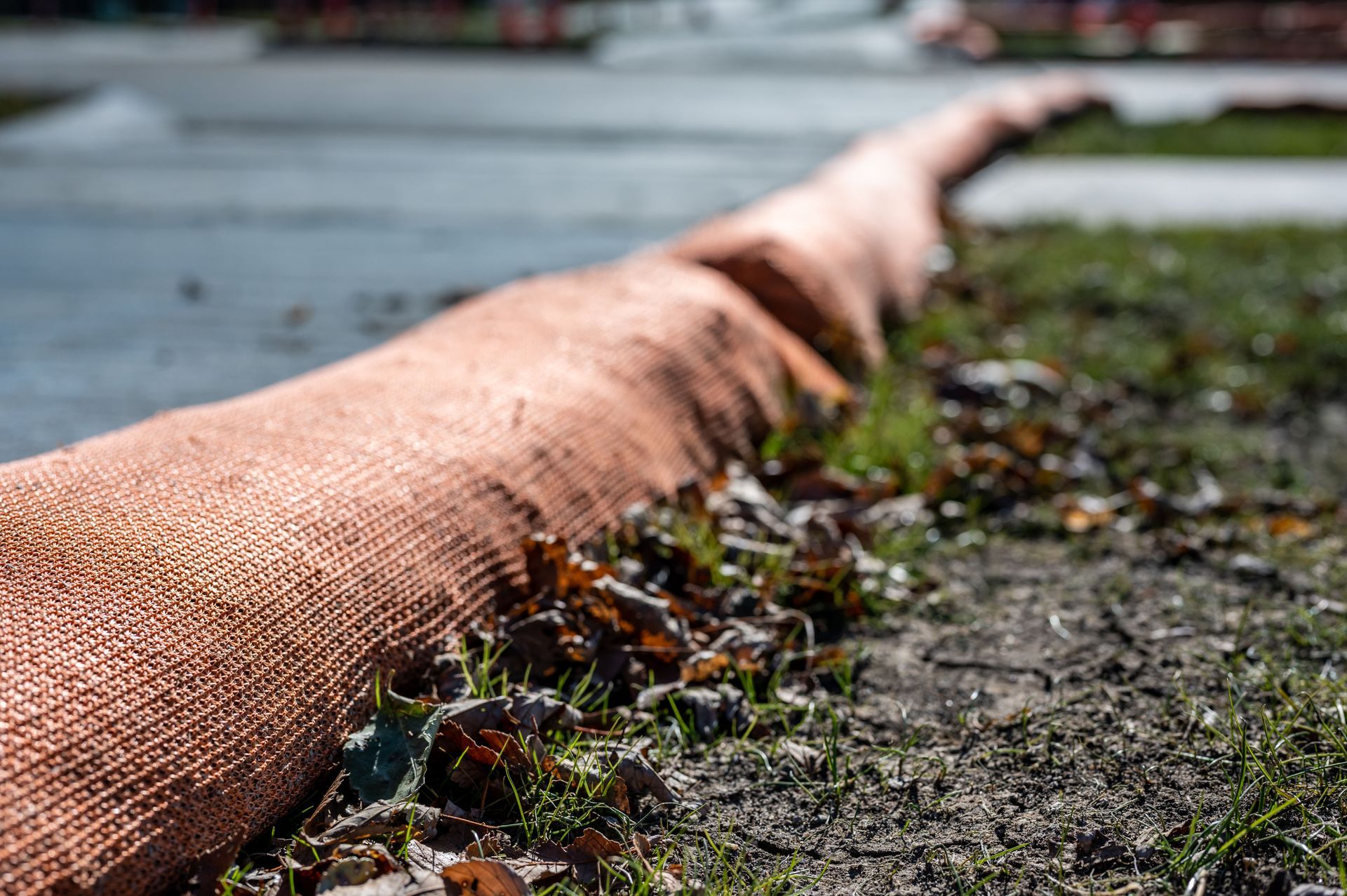
However, conventional weed barriers are not substitutes for specialized erosion-control materials. Their effectiveness depends on slope, drainage patterns, soil composition, and surface conditions.
Areas experiencing concentrated runoff or significant erosion may require products specifically designed for soil stabilization.
Drainage also remains an important consideration. Excessive moisture accumulation can create unfavorable growing conditions for certain plants.
Professional evaluation helps identify materials appropriate for landscapes affected by runoff or surface instability.
Selecting ground coverings based on actual site conditions supports more reliable performance than choosing products solely for decorative purposes.
Improve Long-Term Landscape Planning and Material Selection
Successful landscaping requires materials that complement existing plants, environmental conditions, and maintenance goals.
While mulch and landscape fabric can work effectively together in certain applications, their compatibility depends on the purpose of the planting area.
Decorative stone beds may benefit from durable separation materials, while areas containing shrubs, perennials, or developing trees require additional consideration of root growth and soil health.
Permanent barriers can interfere with organic matter incorporation and complicate future planting changes. These limitations are particularly relevant in landscapes designed to evolve.
Mulch placement also influences plant health. According to Penn State University, a general recommendation is to maintain 3 to 5 inches of clearance between mulch and young tree trunks, increasing that distance to 8 to 10 inches for mature trees.
Appropriate spacing helps prevent excessive moisture accumulation against trunks.
Material durability, permeability, and intended lifespan should also influence purchasing decisions.
By evaluating these considerations, property owners can balance appearance, maintenance requirements, and plant health while making more informed landscaping investments.
Pairing mulch with an appropriate ground barrier can provide practical benefits, including improved weed suppression, decorative material separation, and reduced maintenance demands.
These advantages make the combination appealing for ornamental landscapes, decorative stone beds, and areas where maintaining a consistent surface is important.
However, this approach is not universally suitable. Organic mulch often performs best when it interacts directly with soil, while certain barriers may restrict water movement or interfere with future planting needs.
At Ever-Green Landscape Construction Supply, we help customers explore landscaping materials suited to their property requirements and project goals.
Whether you’re evaluating mulch, decorative ground coverings, or complementary landscaping supplies, our team can help you understand available options.
We recognize that every landscape has different needs, and our goal is to help you make informed material decisions. Contact us today to explore our product selection and discover how we can support your landscaping project.