November 6, 2026
Achieving a pristine, green yard often feels like a never-ending battle against invasive growth that threatens to choke out your carefully cultivated plants. Homeowners constantly seek reliable, long-lasting methods to protect their outdoor spaces from these relentless botanical invaders without resorting to harsh chemical treatments. By integrating a physical barrier into your garden beds and borders, you can significantly reduce maintenance time and enjoy a beautifully manicured exterior.
Recognizing the Weed Threat
Before diving into the mechanics of various preventative measures, it is vital to comprehend the sheer scale of the botanical invasion that homeowners face every growing season. Weeds are incredibly resilient and opportunistic competitors that rob your desirable plants of essential nutrients, water, and sunlight. Their remarkable reproductive capabilities and resilience to adverse conditions are genuinely astonishing. According to the weed control specialists at Preen, just one solitary weed is capable of producing anywhere from 10,000 to over 100,000 seeds. Once these microscopic seeds are scattered by the wind, carried by wildlife, or washed across your property by heavy rains, they can lie dormant for years, simply waiting for the perfect combination of moisture and warmth to sprout and wreak havoc on your pristine outdoor sanctuary. This prolific reproductive rate means that manual pulling alone is rarely sufficient to keep an infestation at bay over the long term.
Understanding the Fabric Solution
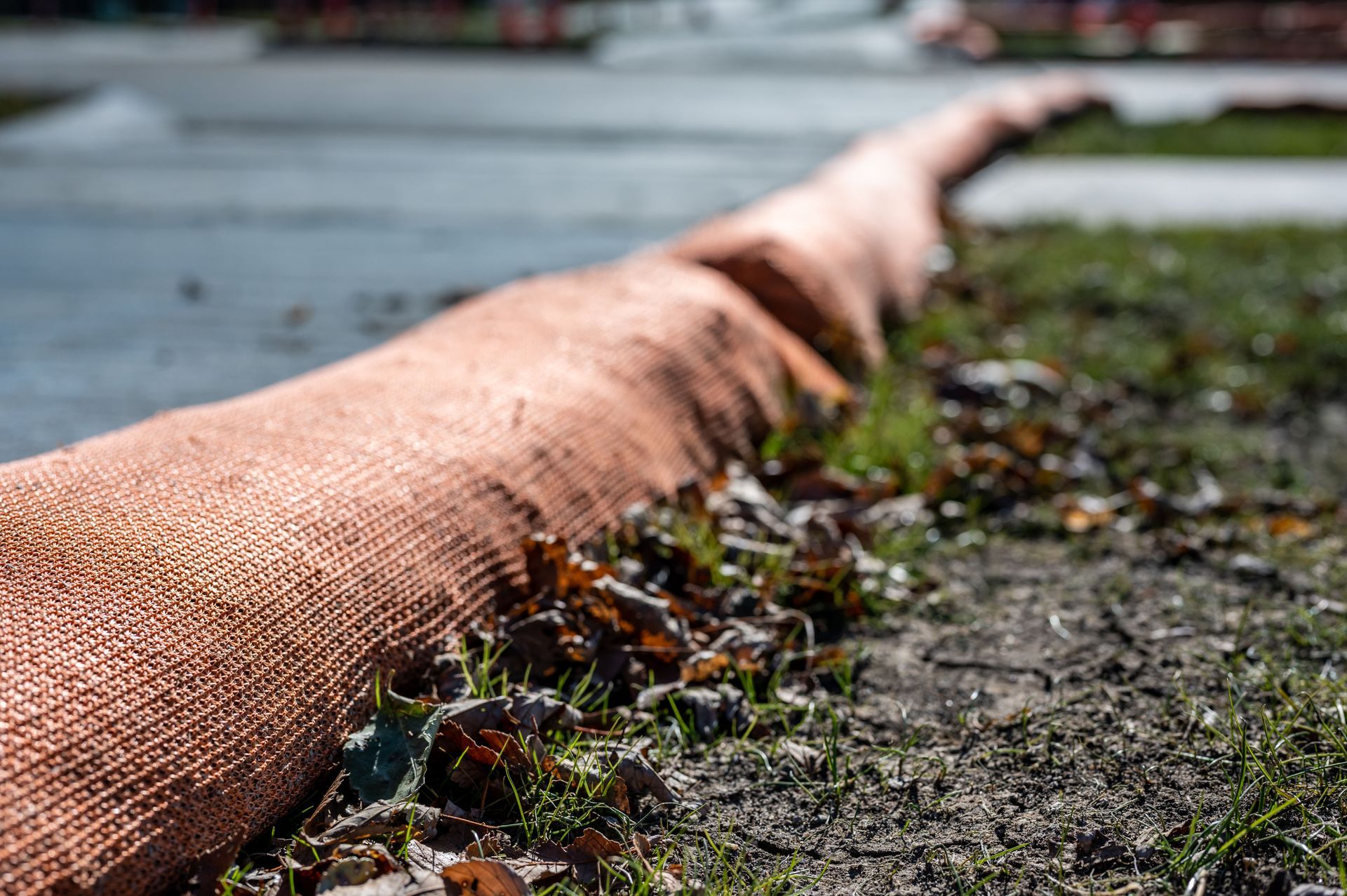
To combat this overwhelming seed production, gardeners must implement a formidable physical defense system beneath the soil surface. Implementing this specific defense is a game-changing tool for modern horticulture. Constructed from woven or non-woven synthetic materials, this barrier is explicitly designed to block sunlight from reaching dormant seeds buried in the earth, thereby preventing germination. Unlike solid plastic sheeting that suffocates the earth, these advanced materials are engineered with microscopic perforations. These tiny holes allow essential lifeblood elements like air, water, and liquid fertilizers to penetrate the barrier and nourish the root systems of your chosen plants. By striking this delicate balance between suppressing unwanted growth and promoting soil health, the landscape fabric acts as a silent, subterranean guardian for your property, drastically reducing the time spent pulling unwanted sprouts.
Selecting the Ideal Material
Navigating the wide array of options at your local home improvement center requires a clear understanding of your specific gardening goals. The market offers several distinct varieties, primarily categorized into woven, non-woven, and spun-bond options, each serving a unique purpose in the yard. Woven varieties are incredibly durable and are best suited for areas surrounding trees, shrubs, and perennial beds where soil remains undisturbed. Non-woven or spun-bond types are typically utilized beneath gravel pathways or rock gardens because they offer maximum suppression but slightly less permeability. When choosing your landscape fabric, you must also consider the thickness and UV resistance of the roll. Thicker commercial-grade materials offer superior longevity and puncture resistance, which is vital when covering the area with sharp, heavy decorative stones. Investing in a premium, heavy-duty option initially will prevent frustrating tears and inevitable weed breakthroughs in the following seasons.
Preparing the Lawn Surface
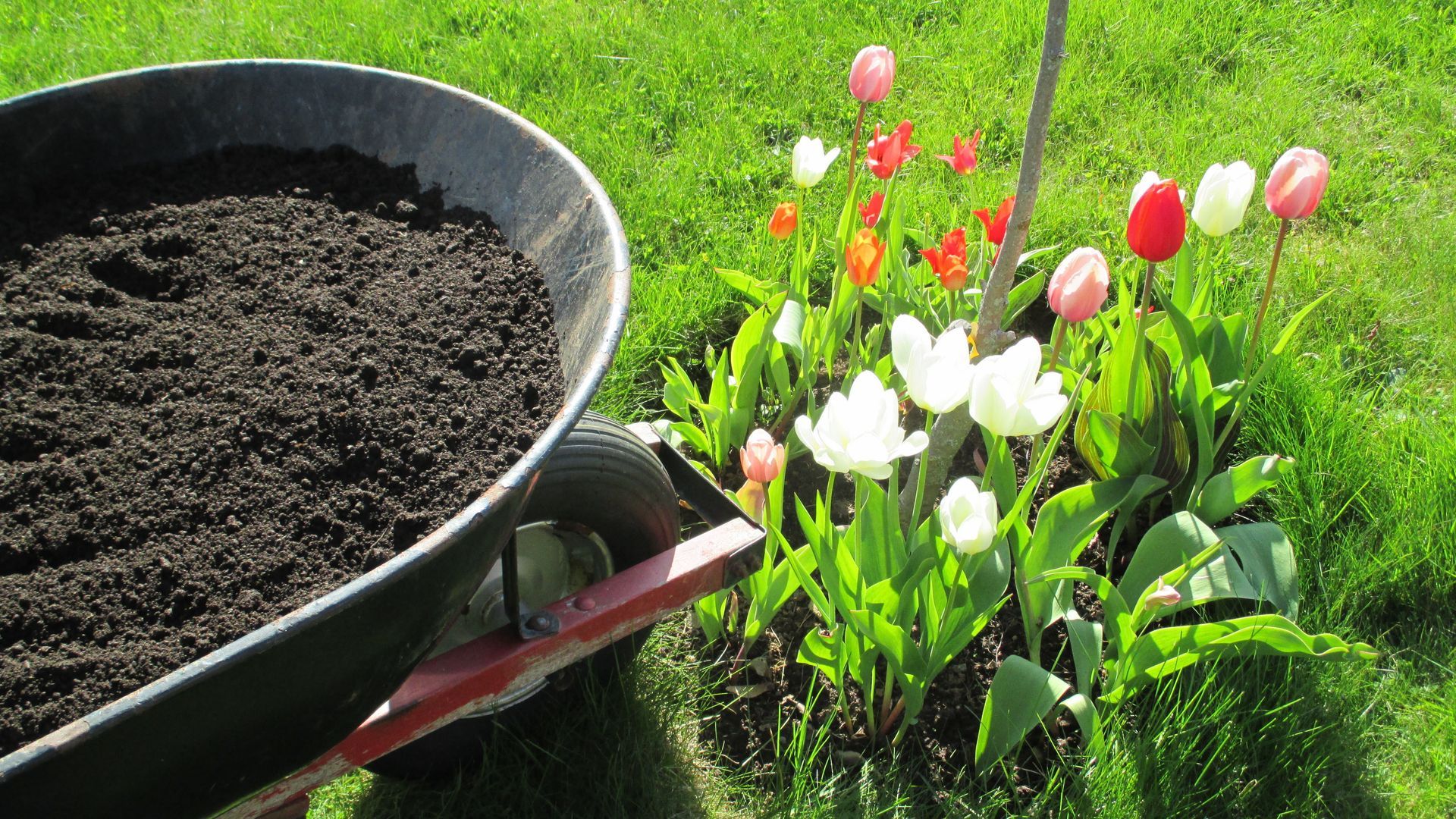
Proper and thorough site preparation is the critical foundational step dictating the success of your weed prevention project. Rushing through this critical phase will almost certainly result in subterranean growth pushing its way through the seams of your protective layer. Begin by aggressively excavating the designated area, completely removing all existing vegetation, roots, rocks, and debris. You must dig down to ensure you have eradicated the root systems of aggressive perennial invaders like bindweed or Bermuda grass, which can pierce barriers if left intact. Once the earth is entirely clear, take the time to grade and level the soil meticulously. Add any necessary soil amendments, compost, or slow-release fertilizers at this stage, as it will be significantly more challenging to alter the soil composition once the landscape fabric is permanently secured in place over your carefully sculpted garden beds.
Installing the Protective Barrier
With a pristine, leveled soil surface ready to go, you can begin the meticulous process of rolling out your defensive layer. Unroll the material lengthwise across your garden bed, ensuring the textured side faces downward to grip the soil while the smooth side faces upward to allow water to glide into the perforations. Crucially, overlap the edges of adjoining pieces. This generous overlap prevents opportunistic seeds from finding a sliver of light and sprouting between the seams. To accommodate your existing plants or new additions, carefully cut an X-shaped slit into the landscape fabric, fold the flaps back, slide the plant through, and tuck them snugly against the stem base. Finally, secure the entire installation using heavy-duty, galvanized steel landscaping staples driven deeply into the earth every few feet along the perimeter and seams.
Applying the Top Mulch
Leaving the synthetic barrier exposed to the harsh elements is a critical mistake that will dramatically reduce its operational lifespan. Ultraviolet rays from the direct sun will rapidly degrade the material, causing it to become brittle and disintegrate. Therefore, you must immediately apply a generous, protective layer of ground cover over the entire installation. Natural wood chips, shredded bark, decorative river rock, or pine needles all serve as excellent choices to shield the barrier from the sun while simultaneously enhancing the visual appeal of your yard. Distribute this top layer evenly, aiming for a consistent depth across the entire surface. Be incredibly careful to keep the mulch away from the direct trunks of your trees and the stems of your plants to prevent moisture-induced rot and discourage burrowing pests.
Maintaining the Weed Defense
Even the most meticulously installed barrier system requires a minor degree of ongoing attention to ensure maximum efficacy throughout the changing seasons. As organic matter such as autumn leaves, grass clippings, and airborne dust inevitably settles on top of your mulch layer, it begins to decompose and create a shallow layer of nutrient-rich soil. Opportunistic seeds carried by the wind will land in this fresh compost and attempt to sprout. Fortunately, because roots cannot easily penetrate the landscape fabric beneath, these invaders are simple to eradicate. A gentle tug is usually all it takes to remove them entirely, as their root systems remain shallow and unanchored in the deeper earth. Routinely plucking these occasional stragglers, alongside periodically replenishing your fading wood mulch, will guarantee that your physical weed barrier continues to operate at peak performance.
Evaluating the Long-Term Results
As the changing seasons rapidly progress, the true value of your labor-intensive preparation will become undeniably apparent in the overall health and aesthetics of your property. Without the fierce competition for moisture and essential soil nutrients, your ornamental shrubs, vibrant flowers, and foundational trees will exhibit more vigorous growth and brighter foliage. You will simultaneously reclaim countless hours that were previously sacrificed to the grueling, back-breaking chore of manual weeding under the hot summer sun. The financial investment in premium materials and the physical effort expended during the initial ground preparation will pay dividends in reduced maintenance costs and lower water bills over time. Homeowners who properly utilize these physical barriers consistently report immense satisfaction, as their outdoor living spaces remain immaculate, professional-looking, and ecologically sound without relying on toxic chemical herbicides that harm local wildlife and pollinators.
Investing the effort to install a physical barrier beneath your garden beds pays incredible dividends by transforming an unruly yard into a low-maintenance oasis. By blocking sunlight and denying seeds a foothold, you can finally win the exhausting war against invasive botanical growth. This proactive approach guarantees a healthier, more vibrant exterior space that you can actually enjoy rather than constantly weed. For more information on how landscape fabric keeps away weeds, please contact Ever-Green Landscape Construction Supply.