April 7, 2026
Landscaping has evolved dramatically over the last decade, with homeowners seeking outdoor spaces that are both functional and visually compelling. Decorative landscape rocks have emerged as a versatile solution, offering benefits that plants or traditional materials often cannot match. These rocks enhance drainage, prevent erosion, create captivating focal points, and serve as practical design elements that require minimal maintenance. By combining durability with aesthetic flexibility, landscape rocks can transform any outdoor space into a well-balanced, visually striking environment. This guide explores the environmental, functional, and design benefits of rocks and how they can elevate the overall appeal and value of a property.
Enhancing the Environment with Landscape Rocks
Decorative landscape rocks contribute to sustainability while improving outdoor aesthetics. Unlike traditional lawns that require frequent watering and fertilization, rocks provide a low-maintenance, drought-resistant solution. In areas prone to water restrictions, rocks help conserve resources while maintaining an attractive landscape. They stabilize soil, reduce erosion, and prevent runoff, particularly on slopes or near retaining walls. By anchoring topsoil, landscape rocks protect plants and garden features from being washed away during heavy rains.
Additionally, rocks support biodiversity by creating microhabitats for beneficial insects, pollinators, and small wildlife. They can be incorporated into pollinator gardens, rockeries, or native plant beds, allowing homeowners to maintain ecological balance without compromising design. Urban environments particularly benefit from these features, as low-water, low-maintenance landscapes reduce the strain on municipal water systems and prevent localized flooding. Overall, decorative landscape rocks offer both environmental and aesthetic advantages, making them a sustainable choice for contemporary landscaping projects.
Improving Value with Strategic Landscaping
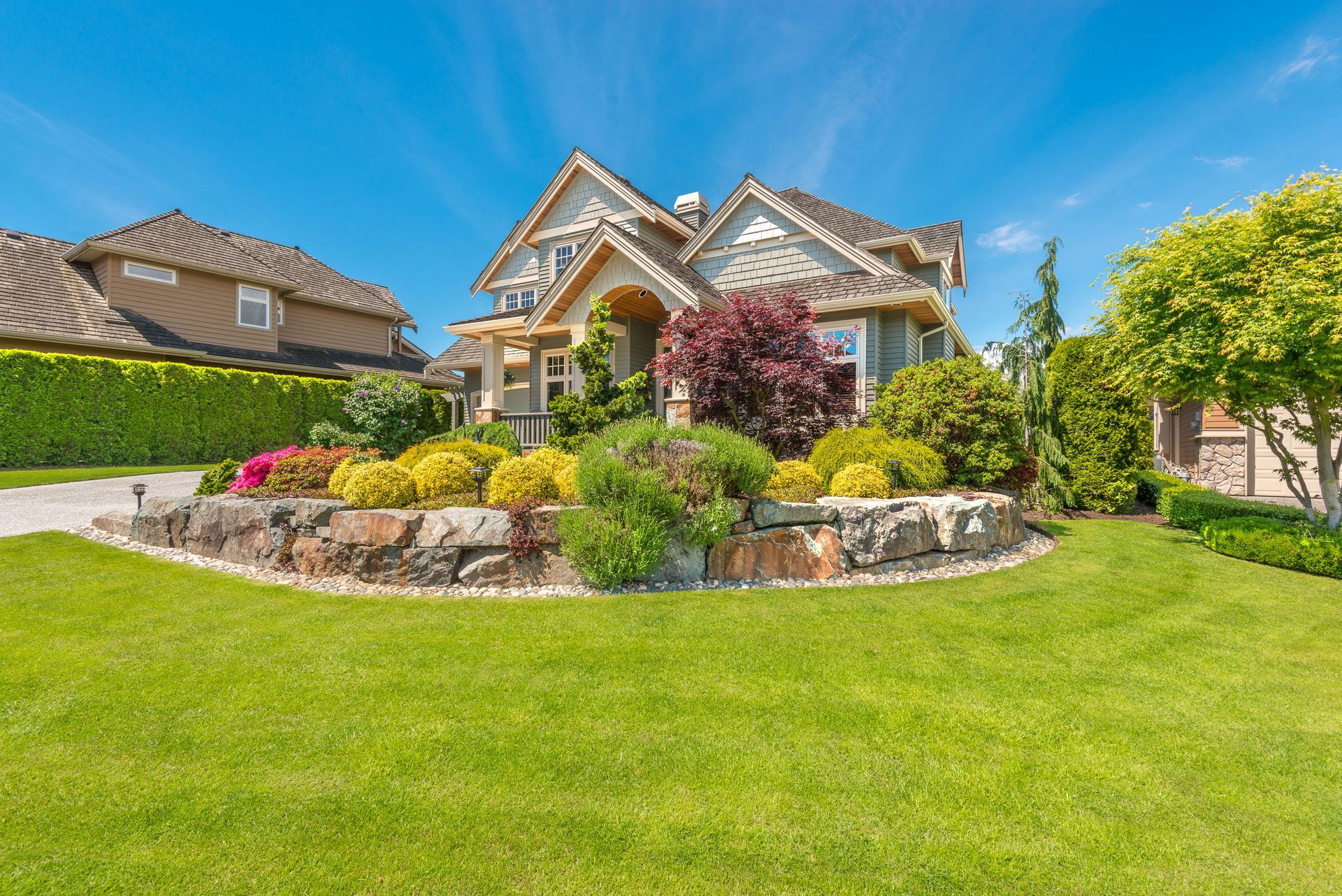
Strategically placed landscape rocks can significantly enhance a property’s value. Pathways lined with gravel or crushed stone create inviting entrances, while large boulders or rock gardens serve as eye-catching focal points. These features communicate a sense of care, organization, and intentional design, qualities that potential buyers notice immediately. According to Home Guide, well-executed landscaping, including decorative rocks, can increase perceived home value by 10% to 30%.
Beyond curb appeal, landscape rocks reduce ongoing maintenance costs. Unlike lawns or plant-heavy landscapes that require frequent watering, mowing, or replacement, rocks maintain their form and appearance over time. Homeowners can use decorative rocks to create flexible outdoor spaces, such as patios, fire pits, seating areas, or meditation gardens. Even if a property is not on the market, these enhancements improve daily enjoyment, provide structure, and give gardens a polished, intentional look.
By integrating rocks thoughtfully, homeowners can define boundaries, connect different landscape elements, and create cohesive outdoor designs. Rocks serve as anchors for visual continuity, linking pathways, planting beds, and patios into a harmonious composition. This dual benefit—improved aesthetics and increased functionality—underscores why decorative landscape rocks are a growing trend in both residential and commercial landscaping.
Maximizing Design with Versatile Options
The versatility of landscape rocks allows homeowners to achieve virtually any design vision. Gravel and crushed stone are practical for driveways, pathways, and borders, providing durability at an affordable price. Smooth river rocks and pebbles add natural flow to gardens, while larger boulders serve as dramatic focal points. Flat stones like flagstone or slate create durable, elegant patios and walkways, combining function with sophistication. Unique materials such as lava or volcanic rocks introduce texture, color, and visual contrast, enhancing modern or themed landscapes.
Mixing and matching rock types, sizes, and colors creates personalized outdoor environments. For example, Japanese-inspired gardens often pair dark river rocks with minimalist plantings and water features to evoke tranquility, while Mediterranean-style courtyards use terracotta-colored pebbles and flagstone paths to reflect historical design influences. Decorative landscape rocks also integrate functional elements seamlessly. Walkways, patios, retaining walls, and fire pits can be incorporated without compromising aesthetic quality. This flexibility ensures that landscapes remain visually appealing and practical year-round.
Simplifying Maintenance with Durable Materials
One of the most compelling reasons homeowners choose decorative landscape rocks is their low-maintenance nature. Unlike lawns that require constant watering, mowing, and fertilization, rocks maintain their appearance with minimal effort. They naturally reduce weed growth, resist damage from foot traffic, and withstand pets’ activity. For busy homeowners or those seeking sustainable outdoor spaces, rocks provide a practical solution that balances aesthetics and convenience.
Rocks also outperform many organic landscaping elements in durability. Mulch or wood chips decompose and need frequent replacement, while stones last for years under sun, rain, and seasonal temperature shifts. They resist pests, fungal growth, and other common landscaping problems, offering peace of mind that the investment will endure. Pairing rocks with drought-tolerant plants or efficient irrigation systems enhances these benefits. Rocks as ground cover retain soil moisture, reduce watering needs, and protect plant roots, creating a sustainable and attractive landscape with minimal upkeep.
Elevating Aesthetics with Creative Arrangements
Decorative landscape rocks allow homeowners to exercise creativity while enhancing outdoor beauty. They can form rock gardens, complement water features, or create patterns that draw the eye. Mixing rock types, sizes, and colors adds depth and visual interest. When integrated with lighting, rocks take on dramatic textures and shadows, emphasizing design elements during day and night. Seasonal plantings or foliage changes can further enhance contrast, ensuring that landscapes remain engaging year-round.
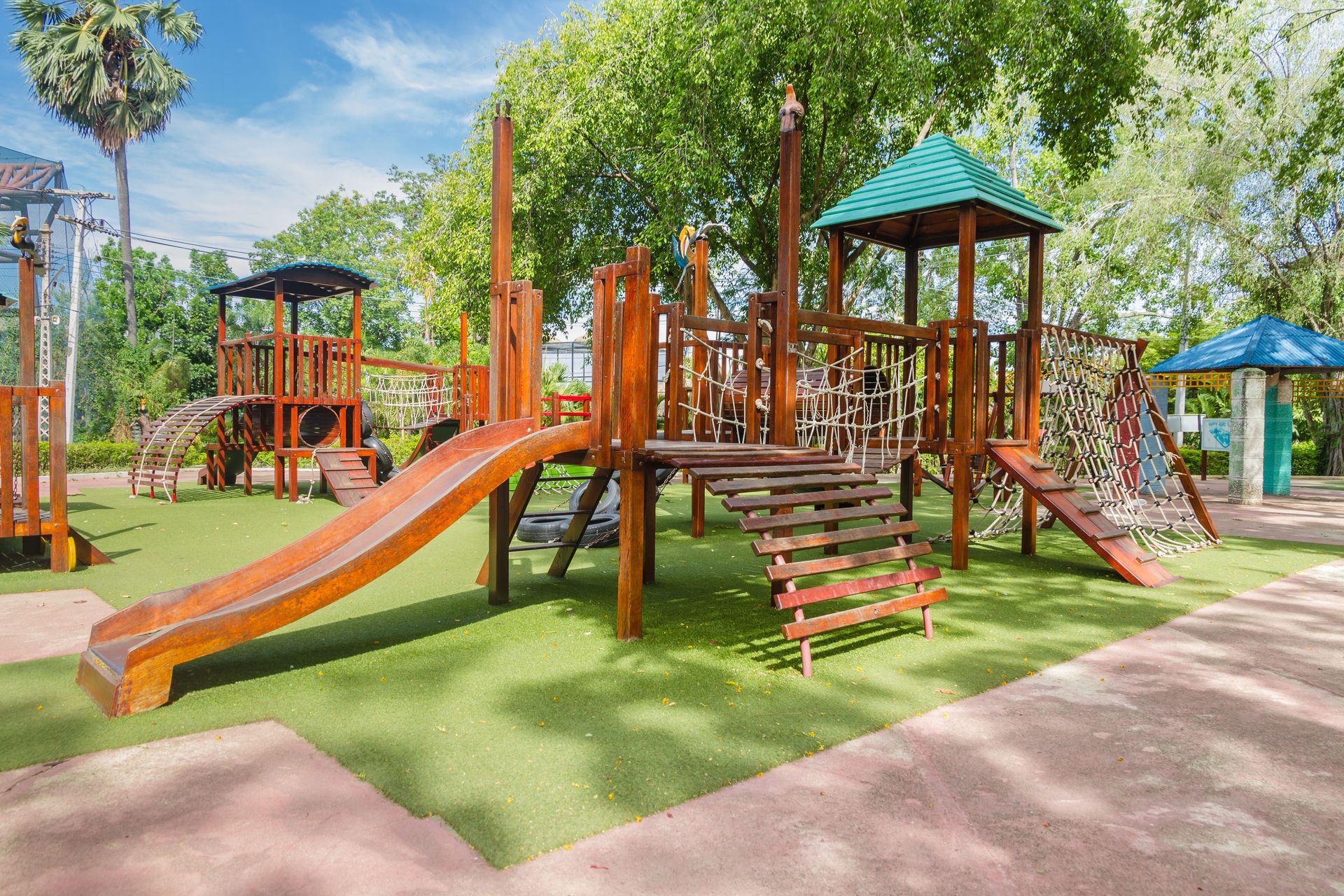
Beyond formal gardens, rocks also elevate casual outdoor spaces. They can create seating areas, stepping stones, or playful zones for children and pets. These functional applications demonstrate that beauty and practicality are not mutually exclusive. By considering both artistic and practical uses, homeowners can design spaces that are visually stimulating, organized, and usable for everyday activities or entertaining guests.
Structuring Space with Functional Installations
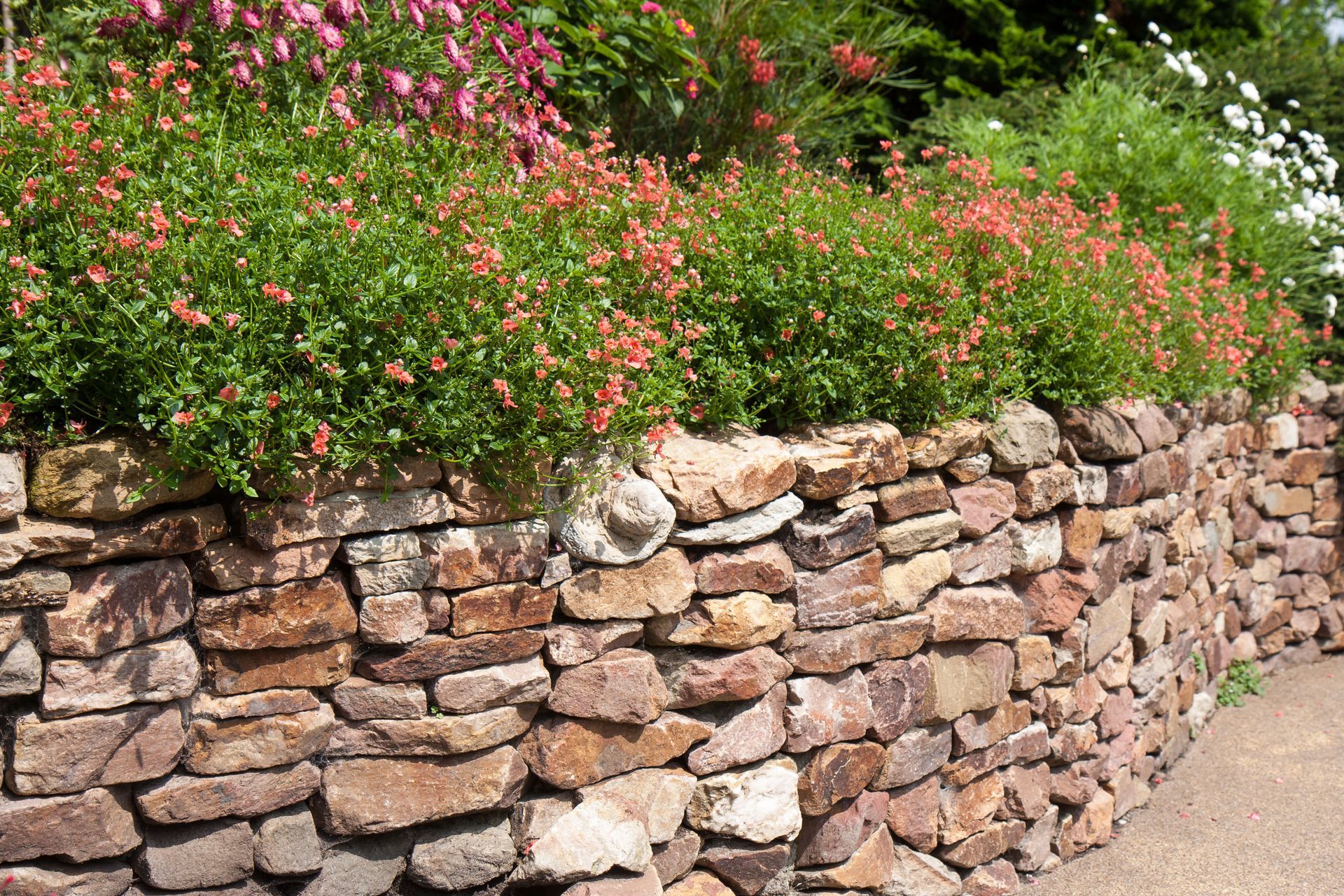
Landscape rocks contribute to functional landscaping, enhancing usability and safety. Retaining walls built from large stones prevent soil erosion while providing tiered planting opportunities. Stone pathways guide foot traffic and establish clear boundaries. Smaller rocks aid drainage, protecting sensitive plantings and preventing water accumulation. By integrating these elements thoughtfully, homeowners can improve accessibility, resilience, and overall landscape function.
Rocks also provide durable seating and gathering areas. Fire pits surrounded by gravel or flagstone offer safe spaces for entertaining, while boulders or stone benches create natural, permanent seating in gardens or parks. Modular rock arrangements can be expanded or reconfigured as outdoor needs evolve, offering adaptability over time. This combination of utility, longevity, and visual appeal makes decorative landscape rocks a cornerstone of functional, modern landscaping.
Demonstrating Impact with Real-World Applications
The transformative impact of decorative landscape rocks is evident across residential, commercial, and public spaces. In residential gardens, rocks define pathways, create peaceful retreats, and integrate seamlessly with native plantings to reduce water usage. Commercial properties use decorative rocks to establish professional, low-maintenance landscapes that enhance client and employee impressions.
Public parks and community spaces also showcase rocks’ versatility. Carefully designed rock paths improve accessibility, while artistic rock arrangements create visual interest and invite exploration. Culturally inspired gardens often rely on rocks for symbolism, history, or thematic purposes. Japanese gardens, Mediterranean courtyards, and desert-inspired landscapes demonstrate how decorative rocks merge function, beauty, and cultural expression. Across all settings, the consistent result is sustainable, visually captivating, and highly functional outdoor space.
Decorative landscape rocks combine aesthetics, durability, and practicality, making them essential for modern landscaping. They improve environmental sustainability, reduce maintenance needs, increase property value, and enable endless design possibilities. From functional installations to creative arrangements, rocks elevate outdoor spaces while reflecting personal style. Homeowners can create low-maintenance, visually stunning, and versatile landscapes by incorporating decorative rocks thoughtfully. Explore options for your next project with Ever-Green Landscape Construction Supply and transform your outdoor space into a lasting statement of elegance and functionality.